Safety glass is one of those unglamorous components that decides how the rest of your car behaves when things go wrong. A windshield looks like a single pane, but it is engineered to hold a vehicle’s structure together, to give airbags a surface to brace against, to resist rock strikes, and to keep you in the cabin during a crash. When a low price pops up for Windshield Replacment on your feed, it is tempting. I’ve spent years around Auto Glass shops that work on everything from fleet vans to vintage coupes, and I’ve seen the full range, from flawless aftermarket installations to cut-rate jobs that endanger the driver. The sticker price never tells the whole story. The build, the fit, the adhesive chemistry, and the technician’s touch all do.
What the windshield really does
Modern windshields are laminated: two sheets of glass bonded to a plastic interlayer, typically PVB. That lamination is not just for clarity and crack control. In a frontal collision, the windshield contributes stiffness to the upper frame, which helps maintain the shape of the passenger cell. On many vehicles, the passenger-side airbag deploys upward, deflects off the windshield, and then back toward the occupant. If the glass is weak or the bond to the car’s frame is poor, the airbag can punch the windshield out and the bag’s trajectory fails. In rollover, the windshield helps prevent roof collapse by sharing load with the pillars.
Even in daily use, that piece of Auto Glass acts as a barrier against UV, sound, heat, and debris. On a winter morning in Montana I’ve watched cheap replacement glass fog immediately and stay fogged, while the OEM windshield in the next bay cleared evenly. That kind of condensed moisture points to coatings and interlayers that are either absent or not applied well.
Where cheap comes from
There are excellent aftermarket windshields, and there are cheap windshields. Those are not the same. The word “aftermarket” simply means not made by the vehicle’s original supplier. Some aftermarket manufacturers are Tier 1 suppliers to automakers on other models and follow the same standards. Others race to the bottom on cost. The savings usually come from three places: thinner glass, lower-quality interlayers and coatings, and a loose grip on tolerances. You can see it in the light distortion through the outer edges of the glass, in wavy reflections, in an optical haze at night. You can also see it in packaging that looks like it survived a pallet jack fight.
I’ve unboxed budget windshields where the black ceramic frit that hides the adhesive bead had gaps, leaving raw glass exposed so UV can attack the urethane. Six months later, a customer returns with a wind whistle at highway speed that wasn’t there before because the adhesive degraded along that bright strip. The shop saved 100 dollars on glass and lost two hours in warranty reseal and a bruised reputation.
Adhesive matters more than most people think
If there is one place you do not want to save money, it’s the adhesive. Urethane is what bonds the Windshield to the body. The rated strength, skin time, and safe drive-away time depend on chemistry, temperature, and humidity. High-modulus, non-conductive urethanes designed for vehicles with ADAS sensors ensure proper bracing for airbags and avoid galvanic corrosion around antennas and heated elements. I’ve seen budget installations with hardware-store sealant, which never fully cures to the required tensile strength, especially in cold weather. It stays gummy, allows micro-movement, and over time becomes a leak path.
On a damp day in Seattle, a good urethane will be set enough for safe drive-away in around 30 to 60 minutes, but only if the ambient conditions and bead size match the specification sheet. A cheap tube may promise similar numbers but drifts wildly in real conditions. That is how you get wind noise, roof rust from hidden water ingress, or in the worst case a windshield that departs the vehicle in a collision.
Optical quality and your eyes on the road
The human eye notices distortion more than we think. That faint bend in lane markings 10 degrees off center, the halo around LED headlights, the shimmering mirage at the top of the glass on a hot day. Most drivers adapt without realizing it, but fatigue sets in sooner and depth cues degrade. I road-tested two back-to-back sedans, one with an OEM Windshield and one with a cheap replacement. The budget glass had a slight barrel distortion near the A pillar. On a three-hour night drive, the driver with the budget glass reported a dull headache and a tendency to glance away from the edge where the distortion lived. If you do long miles or commute on dark, wet roads, optical quality is not a luxury, it’s a safety margin.
Couple that with modern features: acoustic layers to cut low-frequency drumming, hydrophobic coatings that shed rain, shades of tint built into the interlayer, and, critically, cameras and sensors. If your car has lane departure or automatic braking, the camera looks through the Windshield. Slight optical aberrations can throw off calibration, which either forces the system to be overcautious or, scarier, to miss a line or obstacle at the edge of the frame. Good glass is manufactured to tighter optical criteria in the camera sweep zone and marked accordingly.
ADAS calibration and why it drives cost
When a Windshield is replaced on a vehicle with driver assistance, you need a calibration. Static calibration uses targets, levels, and a precise setup in a controlled bay. Dynamic calibration uses a specific drive cycle with defined speeds and lane conditions. Many cars require both. Skipping this step because “the light turned off by itself” is gambling with a system designed to save your life. I’ve seen shops that advertise bargain Windshield Repair and replacement without mentioning calibration. The glass might be fine, but if the camera bracket is off by a millimeter or the refractive index is slightly different, the system will misinterpret angles.
The best Auto Glass Replacement operations invest in calibration equipment, measure ride height and alignment before calibrating, and test on the road. That time and gear cost money. When quotes look dramatically different, ask whether calibration is included, who performs it, and whether they document before and after readings. A luxury experience here is not scented waiting rooms or espresso, it is the precision with which the shop returns your car’s safety systems to spec.
Structure, seal, and crash performance
In a frontal crash, the windshield transmits loads to the roof and pillars. If the bond fails, the roof can deform more, doors may jam, and airbags lose their bracing surface. The difference between a proper adhesive bead laid in a continuous, even triangle and a messy bead with gaps is not cosmetic. It is structural.
I investigated a repair where the owner complained of a wet dash after storms. The previous installer had left voids in the urethane at the lower corners, then tried to hide it with extra molding. Water followed gravity down the pillar, sat under the carpet, and corroded connector pins. A 400 dollar cheap install turned into a 2,200 dollar electrical repair. Worse, a water-compromised bond can let the glass slip in a crash.
The problem with universal fit
Automakers make running changes within a model year. A January build can have a slightly different rain sensor bracket or a new antenna trace compared to an October build. Budget warehouses sometimes stock one part number that fits “most” cars of that generation, then improvise brackets or trim. It often works, until it doesn’t. I keep a small box of oddball clips and adapters in my tool cart to correct mismatches. A shop that cares about fit will ask for the VIN, check the options list, and pull the exact glass. The price may be higher, but you avoid hacks that introduce rattles and electrical gremlins.
Weather, curing, and the clock
Good shops turn away certain jobs when the weather fights them. Urethane wants a clean, dry surface at a suitable temperature to build strength. On a February evening in Chicago, I’ve told clients to leave the car overnight, because the safe drive-away time at 20 degrees is not the same as the marketing brochure at 70 degrees. Cheap mobile services may install in freezing rain under a pop-up tent, then send you on your way. They might even hit the bead with a heat gun, which skins the surface but leaves the core undercured. It looks done. It is not strong.
If you need mobile service, it can be done beautifully, but the technician should quiz you on parking and weather, reschedule if needed, and explain the restrictions clearly. If the conversation feels like a rush to swipe your card, take a breath.
Repair vs. replace: not every crack needs a new windshield
Many chips and short cracks can be fixed with Windshield Repair using a clear resin injected into the damaged area, cured under UV light. When done promptly, a repair restores most of the strength and prevents the crack from spreading. It also costs far less and keeps the original factory seal intact. The catch is that repair has limits. A crack that reaches the edge, damage in the driver’s direct line of sight where even a tiny blemish could distract, or layered delamination all push toward replacement.
I favor repair when the damage is small and centrally located, and the vehicle has ADAS cameras that would need recalibration with a new glass. You avoid complexity and maintain the OEM bond. A reputable shop will explain these trade-offs.
How to assess a quote without becoming a glass expert
Shopping by price alone invites trouble, but you do not need to be a technician to spot red flags. Conversations reveal a lot. The way a shop describes their process tells you what they care about. The tools they bring out and the time they budget tell you even more.
Here is a quick, high-yield checklist to keep the wheat from the chaff:
- Ask what brand of glass they plan to use and whether it is OEM, OEM-equivalent, or generic aftermarket. A straightforward answer with known brands is a good sign. Confirm the adhesive brand and safe drive-away time for your weather. Listen for details about temperature and humidity, not a canned number. If your car has cameras or sensors, ask how they handle calibration, where it happens, and whether documentation is provided. Request that they use the VIN to match the exact part number and sensor brackets. Vague “fits most” language is risky. Ask about their leak and wind-noise warranty and how they handle rust or paint damage found under the trim.
What I look for during installation
A correct Windshield Replacment starts before the old glass is cut out. The tech should protect the dash and paint, remove wipers and trim without prying like a gorilla, and inspect the pinch weld for old urethane, rust, or scratches. Any bare metal should be primed. The new glass should be dry-fitted to confirm alignment, and the adhesive bead laid in one continuous pass of consistent height. The glass goes in with suction cups and guides, set once, not bounced into place. Excess adhesive is cleaned immediately, and the molding seats flat without waves.
After install, the tech should leave a placard on the wheel or dash with the earliest safe drive-away time, advise you to avoid slamming doors for a day, and to skip high-pressure car washes for 48 hours. On sensor-equipped cars, calibration follows, either on-site or at a partner facility. The car comes back with the camera view aligned, and any ADAS lights cleared through proper procedures, not just scanner resets.
Insurance, cost, and value
Insurance complicates the decision. Some policies carry zero-deductible glass coverage; others have a full deductible, and some carve out separate terms for Windshield. If your insurer directs you to a national chain, you can still ask for OEM glass if the vehicle is new, carries advanced sensors, or is a premium model where acoustic and solar layers matter. Insurers will push back if the cost differential is large. A practical compromise is OEM-equivalent from a reputable aftermarket supplier. The difference between that and bargain-bin glass is often 100 to 200 dollars. Spread over the life of the windshield, that is tiny.
I’ve also seen clients pay out of pocket for OEM glass to avoid calibration headaches and enjoy better acoustic comfort. These are judgment calls. For a nine-year-old commuter car with no cameras and a simple tint band, a solid aftermarket pane installed by a pro is perfectly sensible. For a two-year-old SUV with lane centering, heated wipers, and head-up projection, cutting corners is false economy.
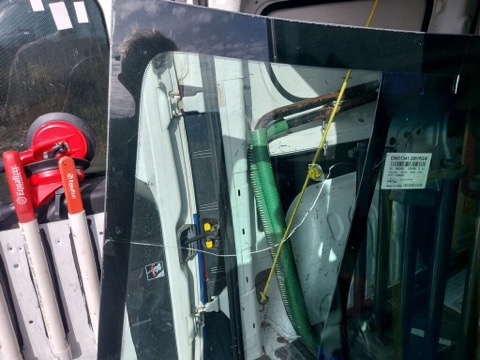
The quiet luxury of a correct windshield
Luxury is not just leather and wood. It is arriving at your destination without a headache from glare. It is driving through a storm with wipers sweeping clean arcs and beads of water sliding away on a treated surface. It is the hush on the highway because the acoustic interlayer is doing its work. It is an airbag that meets the glass, braces, and protects you, exactly as engineered. In that sense, Auto Glass is a core part of the driving experience.
Cars have evolved into tightly integrated systems. Change one component carelessly and you degrade others. A cheap windshield can be safe if it meets the right standards and is installed with care, but the odds tilt against you when price is the only filter. The best value lives where quality glass, proper adhesives, and trained hands meet. That is where your money buys safety you do not have to think about.
When cheap becomes dangerous
I will share two scenes that stick with me. The first, a compact crossover that had a windshield replaced curbside, under a drizzle, for a price that hardly covered materials. Six weeks later, the owner drove through an automatic car wash. Water poured in from the top edge, soaked the headliner, and shorted the mic array for the Bluetooth system. When we removed the glass, the bead looked like a dotted line. Half an hour saved at install cost two days in repairs.
Second, a full-size pickup came in after a minor fender-bender. The passenger-side airbag had deployed and broken the budget windshield loose across the top, leaving the bag half-collapsed. The original adhesive had been a low-strength product not rated for airbags. No one was badly hurt, thankfully, but the lesson was clear. The moment you really need that glass, there is no substitute for strength.
Signs you received a quality job
You Charleston car window repair do not need to pull trim or read adhesives data sheets to judge. Let your senses help. Lines outside should look straight through the glass, not wavy. The black border should hide the adhesive all the way around, with no bright spots visible from outside. On the highway, there should be no whistle from the pillar area and no flutter around the top edge. After the first rain, the pillars and dash should remain dry. If your car has driver assistance, it should behave naturally and not ping you with warnings out of nowhere. If something feels off, call the shop immediately. Good installers want to make it right and will recheck calibration, add urethane where a void was missed, or replace the glass if optics are poor.
The role of craftsmanship in a commoditized trade
Auto Glass is often treated like tires or wipers, a service to be bought on sale and forgotten. Yet the best technicians are craftsmen. They know how to cut out an old windshield without scoring a painted flange, when to stop and treat a rust bloom before it becomes a leak, how to position a bead to avoid squeeze-out that can foul sensors, and how to handle molded trim that gets brittle with age. They work with the quiet confidence that comes from repetition and care. You can hear it in how they describe their process and see it in the bay. Clean carts, labeled adhesives, torque wrenches for wiper arms, a calibration target rolled neatly from its case. That is where your Windshield Repair or replacement should happen.
Final guidance before you book
If cost is tight and you are weighing options, choose a reputable aftermarket pane paired with a top-tier urethane and a shop that calibrates properly. If your car is newer, sensor-heavy, or particularly quiet at speed, consider OEM or OEM-equivalent with acoustic and solar options matched. Never let anyone rush you out the door before the safe cure time. If the weather is hostile, reschedule. And if a quote seems too good to be true, ask the questions that matter. You are not paying for glass alone. You are paying for the integrity of the frame you sit behind every mile.
A windshield is not a place to chase the lowest number. It is a place to buy peace of mind. Done right, you will forget it exists, which might be the highest compliment a piece of Auto Glass can earn.