Windshield damage always arrives at the wrong time. A dump truck throws a pebble on Business 85, a temperature swing turns a pinhead chip into a creeping crack, or a surprise branch drops after a storm in Emerywood. The problem looks small at first, then starts asking for time, money, and judgment. If you live or work around High Point, you don’t just need someone who can “do glass.” You need a shop that treats the car as a system, understands the quirks of modern safety tech, and knows how to work around real life with mobile service and same‑day options.
Over the past decade the glass trade has changed. Windshields used to be laminated glass with a radio antenna here or a rain sensor there. Now they often house cameras for lane keeping, automatic emergency braking, and adaptive headlights. Side glass can have acoustic layers or laminated construction. Even a simple rear window replacement can involve defrost grid testing and hatch trim that loves to snap. The best High Point auto glass repair shops adapt to that complexity without turning every job into a headache, and they stand behind their work if anything squeaks, leaks, or throws a diagnostic error after the install.
What follows is a practical guide to finding the right fit, plus what to expect from windshield replacement in High Point, when mobile auto glass service makes sense, where side window replacement goes sideways, and how to handle ADAS calibration without paying twice.
Why quick, correct glass work matters
Cracked windshields don’t just foul the view. The glass bonds to the body and adds structural strength, especially in a roof crush or rollover. On many vehicles the windshield works as a backstop for the passenger‑side airbag. If the bond fails, the airbag can push the glass out and lose the cushion it needs. That’s why correct adhesive selection, cure time, and preparation matter. Good glass work is not only cosmetic, it’s a safety item.
There’s another angle now. If your car has a camera behind the glass, a fresh windshield will almost always require calibration. Skip it, and you might get random lane departure beeps, a blank camera error, or a more serious misread of lane lines. Done right, calibration restores the system to how it left the factory. Done wrong, it leaves you thinking the tech will save you, when it won’t.
Reading the field in High Point
High Point has a mix of long‑standing independent glass shops and regional providers offering mobile service across Guilford County and the Triad. You’ll see everything from one‑bay specialists who know every gasket on a 2006 Tacoma to fleets of vans doing same‑day house calls for corporate accounts. Both models can work. The trade‑off is consistency and scope. Small shops often out‑perform on fit and finish, and they’ll remember your car six months later. Larger outfits can bring faster scheduling, broader insurance network ties, and purpose‑built ADAS calibration bays.
If you commute to Greensboro or Winston‑Salem, mobile auto glass in High Point can spare a morning of juggling rides. When mobile makes sense, ask early about weather, surface conditions, and where the technician prefers to work. A clean driveway beats a street spot under oak sap, and a wind‑free garage beats a rainy curb.
What separates a great shop from a good one
Most shops can swap glass. Only some make it painless and safe. Here’s what to look for when you call around and read between the lines during that first conversation.
- Technicians who ask the right questions up front. A pro will ask for VIN, sensor and camera options, tint band color, heads‑up display, heated wiper park, rain sensor shape, and whether you have lane departure or adaptive cruise. If they skip all that, expect an “oops, wrong glass arrived” delay. Clear stance on ADAS calibration in High Point. The shop should explain whether they do dynamic or static calibrations in‑house, partner with a local calibration center, or refer you to the dealer. Vague answers are a red flag. Specific adhesive and safe drive‑away times. Listen for brand names and a cure time window, not just “you’re good to go immediately.” In summer humidity, some urethanes cure faster, but the shop should still give a clear clock you can set. Willingness to reuse or replace moldings and clips correctly. Many late‑model cars require new one‑time‑use clips. Reusing brittle trim saves money now and costs you rattles and leaks later. Evidence they stand behind leaks, wind noise, or recalibration issues. Real warranties read like promises, not marketing.
These cues show whether a shop respects that a windshield is part of the car’s safety shell, not an accessory.
Windshield replacement in High Point, start to finish
For a straightforward replacement on a late‑model sedan without sensors, the appointment lasts about 90 minutes. That includes masking paint, cutting the old urethane, lifting the glass, prepping the pinch weld, laying fresh adhesive, and setting the new windshield. Add time for rain sensors or if the previous install left a mess of hardened glue.
With driver‑assist cameras, plan for two time blocks: the install, then the calibration. Dynamic calibrations use a road drive with a scan tool and specified conditions. Static calibrations use targets and a level floor. Some vehicles need both. In High Point, a simple dynamic calibration might take 20 to 40 minutes if traffic and road markings cooperate. Static setups in a bay often run 45 to 90 minutes, longer if the car sits low and needs precision leveling.
Cost varies with glass choice. Original equipment (OE) glass tends to fit perfectly and minimize optical distortion, especially near the camera mount and HUD window. Aftermarket glass ranges from excellent to just okay. For many mainstream cars, high‑quality aftermarket saves a few hundred dollars without issues. For vehicles with complex HUDs or tight camera tolerances, I often suggest OE or at least OEM‑branded glass from the same factory that supplies the automaker. The extra spend can prevent ghosting in the HUD and calibration drift.
Insurance in North Carolina usually treats glass under comprehensive coverage, which carries a deductible. Some carriers in the Triad offer separate glass endorsement with a lower deductible. If you’re filing a claim, ask whether they require network shops or allow you to choose. In practice, most carriers will work with reputable non‑network shops if you provide the estimate. The better High Point auto glass repair providers already know the adjusters and can submit documentation for you.
When repair beats replacement
A clean star chip smaller than a quarter with no cracks reaching the edge is a good candidate for resin repair. Temperature matters. Repairing within a few days helps, before the break grows or picks up oil and dirt. Done well, repair restores strength and usually leaves a faint mark you only notice if you hunt for it in certain light.
One exception: anything in the driver’s direct line of sight. Even a good repair can leave a small distortion that catches your eye, and North Carolina inspection rules frown on significant defects in that area. A pro who inspects the damage will tell you when repair risks failing inspection or leaving you annoyed.
As a rule of thumb, if the crack tip has reached the edge of the glass or if you can feel roughness all the way through the inner layer, plan on replacement.
Mobile auto glass in High Point, used smartly
Mobile service makes sense for busy schedules or if the car isn’t safe to drive. Techs around High Point cover a wide range, from Skeet Club Road neighborhoods to factories and parking decks. Weather is the wild card. Urethanes want clean, dry surfaces. On a muggy July afternoon, you also want shade, both for the tech and for proper adhesive handling.
If you schedule mobile service, prepare a flat, safe work spot with a few basics nearby. Clear the cowl of leaves, remove shot glasses or fragile trim from the dash, and have a house outlet available if the tech needs scan tools or a static calibration monitor. When a mobile team brings ADAS calibration gear, they’ll need a level surface and space in front of the car for targets. Apartment lots can work if you snag a double‑deep space or use a community area with permission.
Static calibrations are picky about level. If your driveway slopes, the shop might suggest doing the install at your place, then finishing calibration in their bay. That two‑step plan often beats fighting a driveway slope that throws the camera a fraction of a degree off.
Side window replacement in High Point, the quiet art
Front and rear door glass feels simpler than a windshield, yet it presents its own traps. Every car has a different dance to access the regulator, weatherstripping, and anti‑pinch sensors. Some German models glue the regulator frame into the door. Many trucks can pinch a new glass on install if the run channels aren’t lubricated and aligned. On older sedans, regulators wear and cause a new sheet of glass to tilt and bind.
The smartest approach is to pair fresh glass with a quick inspection of the regulator, guides, and clips. If your window stuttered before it shattered, ask for regulator replacement while the panel is already open. That extra hour of labor saves you a repeat visit.
After a break‑in, take ten minutes with a vacuum and a pick to clean the window track and the lower door basin. Small shards ride the regulator cables and scratch the new glass. Shops usually vacuum, but letting them know the car was broken into flags the need for extra care. If the car came in after rain, ask the shop to check water drains in the door. A clogged drain soaks the speaker and floor insulation.
Rear glass and the hidden work
Hatch and back glass jobs sometimes look easy, until a tech faces defrost connectors that tear the tab off the grid or plastic trim clips that snap after years in the sun. If your defroster only partially works after the job, chances are a tab loosened or the solder joint cracked. A good shop will test the grid and fix small breaks with conductive epoxy, but deep grid damage often requires glass replacement again. When you book the job, mention if the defroster was weak before the break. That note helps the shop plan.
On SUVs with power liftgates, ask the shop to verify camera and latch functions when the job wraps. Chafed harnesses near the hinge can turn a simple glass swap into a wiring chase if not handled gently.
ADAS calibration in High Point, demystified
If your windshield sits in front of a camera, everything about calibration matters. In plain terms, the camera needs to know exactly where straight ahead is and how far away its targets are. Two main methods exist. Dynamic calibration happens on the road with a scan tool guiding the process. Static calibration uses printed or electronic targets set at exact positions on a level floor with controlled lighting. Some systems require both.
Here’s what good practice looks like locally. The shop either has a dedicated calibration bay with level flooring, measured target stands, and lighting that avoids glare, or they have a partnership with a High Point or Greensboro calibration center that does. They scan for fault codes before the job, document the pre‑cal status, install the glass, then either calibrate immediately or schedule the calibration as soon as the urethane reaches a safe drive‑away time. They print or email the calibration report with pass ADAS calibration High Point status and keep it on file. If the system can’t calibrate, they troubleshoot mount alignment, verify the correct glass, and check for trim interfering with the camera’s view.
Some systems are tolerant and calibrate quickly. Others, particularly in vehicles with night vision, multiple cameras, or complex HUDs, are fussy. If your shop suggests dealer calibration for a specific brand, that’s not a dodge. Certain manufacturers gatekeep procedures or require proprietary patterns and software.
One practical tip: keep the windshield interior spotless after installation. Fingerprints or fogging near the camera can cause a calibration to fail. Ask the tech not to use silicone sprays on the dash that can off‑gas and film the glass for a few days.
OEM vs aftermarket glass, honest trade‑offs
Shops in the Triad stock a mix of OEM‑branded and aftermarket glass. The right choice depends on your car and your tolerance for minor differences.
For family crossovers and trucks without HUD, good aftermarket pieces often match OEM on clarity and fit. The savings can be meaningful, especially if you’re paying out of pocket. For luxury models with prominent heads‑up displays or special acoustic interlayers, I lean OE. I’ve seen aftermarket HUD windshields create double images at night. The fix was a second replacement with OE glass, which erased any initial savings.
Ask the shop to be candid about what they’ve seen on your specific model. Veteran installers remember which aftermarket brands work well and which cause callbacks for wind whistles or sensor fussing.
Weather, cure times, and patience
Adhesive cure times are not a suggestion. The chemical set that bonds the glass needs a certain number of minutes and temperature to safely handle the car’s loads. High humidity can help some urethanes cure faster, but the shop should give you a safe drive‑away time and a window when you should avoid slamming doors or hitting speed bumps hard. Plan your pickup around that. If the forecast shifts to cold rain, don’t be surprised if the shop nudges your appointment or suggests indoor service.
On mobile jobs, the techs bring pop‑up canopies and heaters when needed, but nothing replaces a clean, calm workspace. If you can offer a garage bay, your adhesive and your outcome benefit.
What to ask when you call
A five‑minute phone call can reveal more than a page of reviews if you ask pointed questions.
- Can you look up my VIN and confirm the exact glass part and options, including HUD, rain sensor, and acoustic laminate? Do you handle ADAS calibration in‑house here in High Point, partner with a local center, or refer to the dealer, and will you provide the calibration report? What adhesive brand do you use, and what is the safe drive‑away time for my car today given the weather? Will you replace one‑time‑use moldings and clips, and are those included in the estimate? What warranty do you offer on leaks, wind noise, stress cracks, and calibration, and how do I get service if something crops up?
Listen not just for yes or no, but for the confidence and detail behind the answers.
Handling insurance without the runaround
With comprehensive coverage, many glass claims are straightforward. Provide your carrier with the incident date, location, and damage description. If you want a specific High Point auto glass repair provider, tell the adjuster upfront and ask for assignment to that shop. Good shops can bill the insurer directly and help with documentation for ADAS calibration, which some carriers reimburse separately.
Watch for steering. A call center may push you toward a network provider. You have the right to choose, although you might handle a bit more paperwork if your pick sits outside the network. What matters is that the shop uses the right glass, calibrates correctly, and documents the work for your records.
Aftercare that prevents headaches
Once the glass is in, treat it gently for a day. Keep painter’s tape on exterior moldings if the tech applied it, avoid automatic car washes for 24 to 48 hours, and leave the windows cracked a finger while parked in the sun to relieve pressure. If you hear a whistle around 40 to 50 mph, note the speed and wind direction, then call the shop. Wind noise usually points to a gap in a molding or an area where urethane didn’t wet out perfectly. A good installer can chase that down quickly.
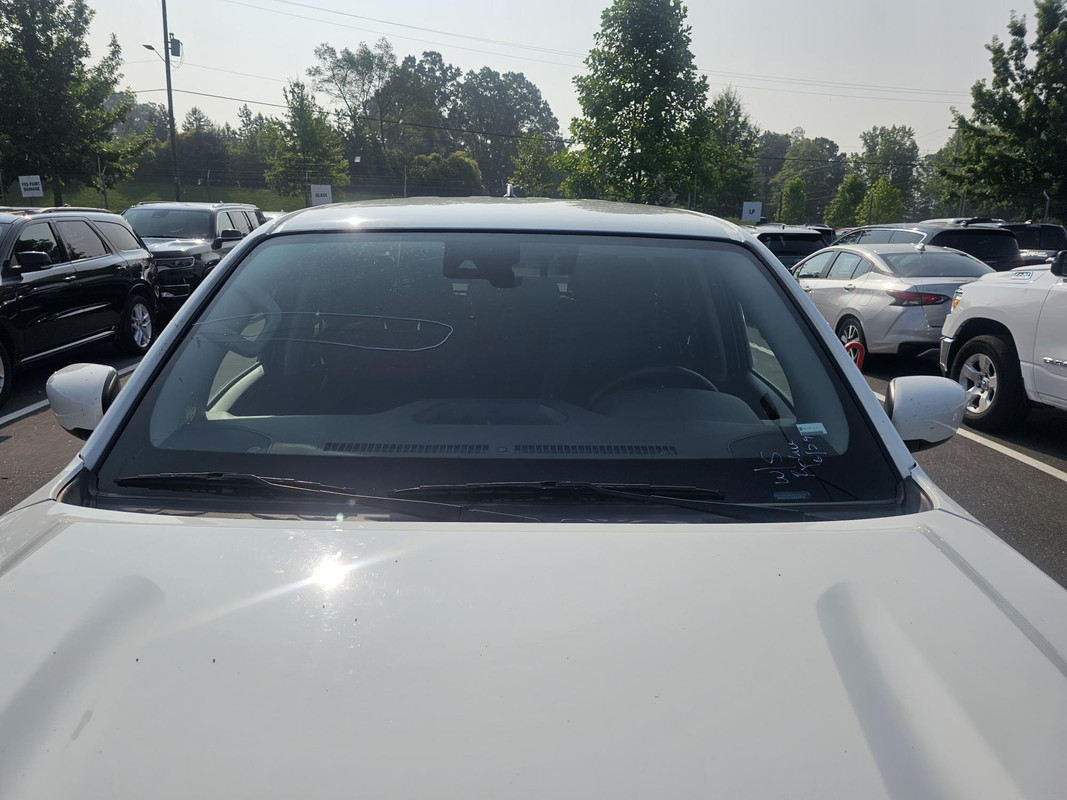
If your driver‑assist features act up after replacement, don’t assume you have to live with it. Call the shop, share any warning lights or odd behaviors, and bring the car back for a scan. Most post‑install quirks trace to calibration or a camera shroud that didn’t seat fully.
Local realities that affect scheduling
High Point’s rhythm matters. Furniture Market weeks can choke traffic and tie up mobile routes, and some shops adjust hours to serve commercial clients. Spring storms spike demand for hail and branch damage. During those windows, plan ahead or be flexible on glass brand if you want it done same week.
On the flip side, late morning slots often open after overnight deliveries. If you call at 9 a.m., a shop may fit you in before lunch, especially for chip repairs or side window replacement. Emergencies like smashed side windows after break‑ins usually get priority due to security and weather concerns.
A brief anecdote from the bay
A client with a 2021 Honda CR‑V came in after a steady crack snaked from a chip near the passenger A‑pillar. He’d ignored it for a month, then woke up in October to find the line doubled after a 40‑degree drop. The car had lane keeping and adaptive cruise, so we planned for OE glass and static calibration. Midway through the job we discovered the previous installer had left thick ridges of urethane that pushed the new glass outboard by a millimeter if we didn’t prep carefully. We took an extra half hour to clean the pinch weld to bare paint, primed correctly, and set the glass dead center. Calibration passed first try. Two days later he called to say the right A‑pillar whistled at highway speeds. We test drove, traced it to a deformed exterior molding from the old install, and replaced the molding with new clips. Silence restored. The lesson holds: fitment starts where you can’t see, and small deviations turn into wind and calibration headaches later.
The bottom line for High Point drivers
You have strong choices locally. Focus less on coupon prices and more on competence signals. Windshield replacement in High Point involves more than a pane of glass. The best shops confirm options by VIN, prep the body properly, choose the right adhesive, and treat ADAS calibration like the safety procedure it is. Mobile auto glass in High Point works beautifully when conditions suit and the tech has space. For side window replacement in High Point, a smart inspection of regulators and tracks prevents repeat visits.
If you remember one thing, make it this: an installer who asks careful questions about your car before you ever book the job tends to do careful work after you hand over the keys. That habit shows up in fewer leaks, clean calibrations, and a view of the road that looks exactly as it should.